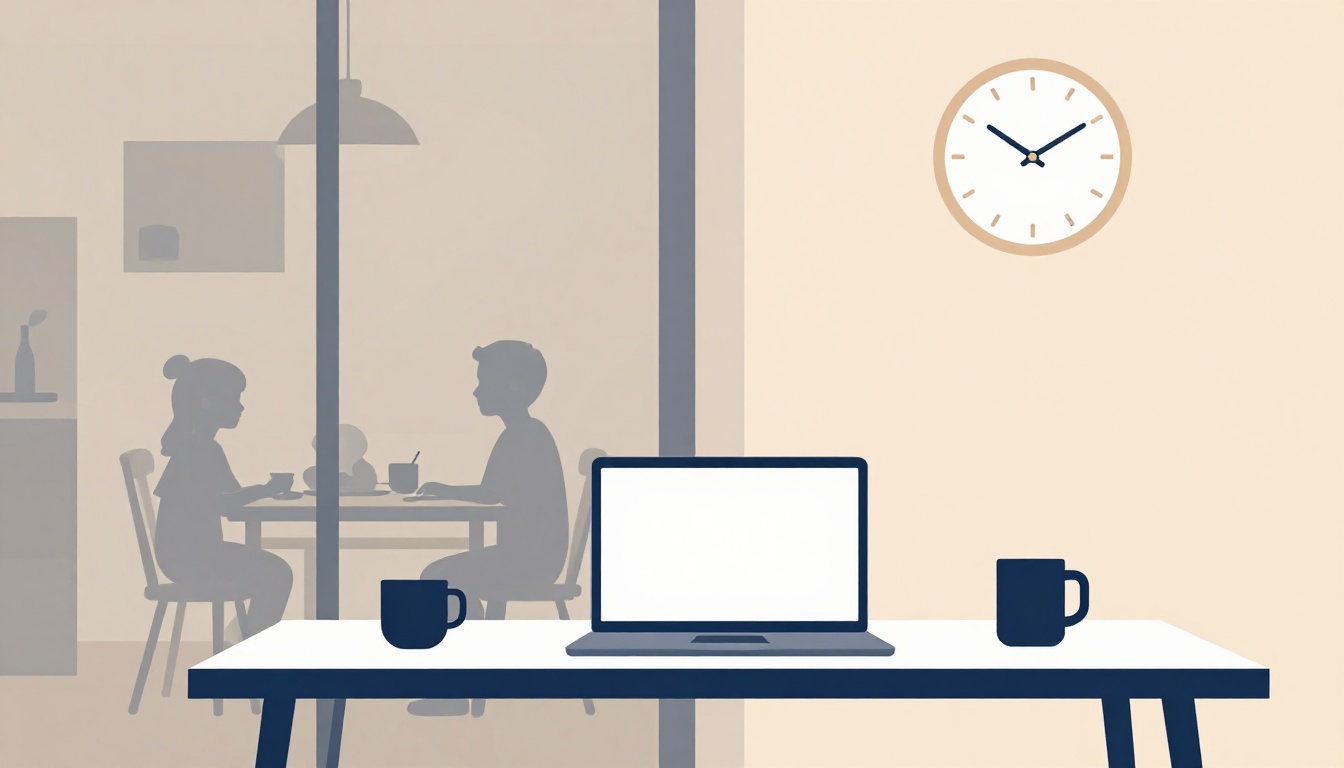
Imagine this: You start your first remote job excited about flexible hours. Then late-night Slack pings from your boss pull you back to your laptop during family dinner. Kids burst into your Zoom call, and suddenly work feels endless.
Professional boundaries act as simple rules that keep work separate from personal life. They include set hours and no chats after dinner. Remote setups lack office walls or commutes, so these lines blur fast. You face higher stress and burnout as a result.
This guide helps beginners spot traps, build strong boundaries, handle pushback, and stay consistent. You’ll gain focus and energy. Sound familiar? Let’s start by identifying common pitfalls.
Spot the Remote Work Traps That Blur Your Boundaries
Remote work tempts you to blend everything. Without clear separation, tasks spill over. Beginners often miss early signs. For example, you check emails at midnight because your phone buzzes. This leads to exhaustion over time. Studies show remote workers face a 20% higher burnout risk from poor boundaries. Health suffers first. Then productivity drops.
You lose sleep. Family time vanishes. Resentment builds quietly. However, awareness fixes this. Spot these traps now to act early.
The Always-On Device Dilemma
Phones and laptops never sleep. Notifications ping during movie night. You glance and reply quick. That “quick” reply turns into an hour of work.
Always-on tech creates constant pull. Your brain stays in work mode. Mute settings help, but beginners forget. As a result, evenings disappear. Weekends feel like extensions of Monday.
Consider Sarah, a new remote marketer. She kept Slack open 24/7. Boss praised her responsiveness at first. Soon, she dragged through days. Energy gone. Devices trick you into availability. Turn them off after hours to reclaim peace.
Home Life Crashing Your Work Zone
Home means family, chores, roommates. They interrupt focus without warning. A kid needs homework help mid-meeting. Laundry piles up nearby. You pause work to handle it.
Remote beginners struggle here most. No office door shuts out life. Interruptions build frustration. You snap at family. Or they resent your “always working” vibe. Early signs include short tempers and scattered thoughts.
Picture Mike coding from his kitchen table. Roommate blasts music. He asks once, then twice. Resentment grows. Separate zones prevent this crash. Home life invades because boundaries lack strength.
Build Rock-Solid Boundaries That Protect Your Time and Energy
Now shift to action. Set boundaries early for respect. Communicate them clearly to your team. Consistency matters most. Start small. Build habits that stick.
Focus on time, communication, space. Use simple tools like calendars. Auto-replies signal your limits. Teams respect firm lines. You gain trust as reliable, not endless.
First, define your day. Then control chats. Finally, ritualize your space. These steps protect energy.
Set and Stick to Your Work Hours
Pick hours that match your peak energy. Say 9 AM to 5 PM fits most. Share your calendar with the team. Block personal time as busy.
Use status messages like “Out until 9 AM tomorrow.” Tell your boss upfront. Here’s a sample email:
“Hi [Boss], I work best from 9-5 to match team hours. I’ll log off then and check messages next morning. This keeps me sharp. Thanks!”
Stick to it daily. Clock out at 5 PM. No exceptions at first. Week one feels odd. Then it normalizes. Energy rebounds fast. You produce better work.
Control Communication to Avoid Constant Interruptions
Batch emails twice daily. Set Slack to “Do not disturb” outside hours. Respond to urgent items only during work time.
Differentiate urgent from routine. Use phrases like “I’ll review this tomorrow morning.” Or “Let’s chat at standup.”
Colleagues test limits early. Reply politely but firm. “Great point. I’ll handle after 10 AM.” This sets expectations. Interruptions drop. Focus sharpens.
Tools like email filters help too. Route non-urgent to folders. Check on your schedule. Control prevents overload.
Create a Dedicated Workspace Ritual
Choose one spot just for work. A desk corner works. Avoid kitchen or bed. This trains your brain to switch modes.
End each day with a ritual. Close laptop. Walk away. Tidy the space. Maybe brew tea.
Benefits hit quick. Mental off-switch happens. Sleep improves. Weekends refresh fully.
Lisa tried this after burnout. Her closet office became sacred. She shut the door at 6 PM. Work stayed inside. Home felt like home again. Rituals build automatic separation.
Handle Pushback and Fix Slip-Ups Without Drama
Pushback comes. Boss texts at 8 PM. Colleagues ping weekends. You tempt yourself too. Stay calm. Respond firm.
Firm boundaries earn respect long-term. Scripts help. Self-checks reset slips. Weekly reviews track progress.
Drama fades with practice. You reclaim control.
Responding to Overstepping Colleagues or Bosses
Boss expects after-hours? Say, “I wrap up at 6 PM to recharge. I’ll tackle this first thing.” Keep tone positive.
Colleague ignores Slack status? Repeat kindly: “Heads up, I’m offline until 9. Ping me then?” Document patterns if it persists. Escalate to HR only after tries.
Remote chats tempt casual oversteps. Video calls blur lines too. End them on time: “Great chat. Back to my list now.”
Examples work. One developer replied to 10 PM email: “Noted for morning.” Boss adjusted. Respect grew.
Reclaiming Control When You Slip Yourself
You answer that ping at dinner. Forgive quick. Reset next day.
Self-audit weekly. Ask: Did I work past 5 three times? Why? Adjust one thing. Like phone in another room evenings.
Small wins build momentum. One no-work night leads to two. Track in a note app. Celebrate progress.
Slips happen to all. Consistency wins. You model boundaries for others too.
Maintaining professional boundaries starts with spotting traps like always-on devices and home crashes. You build them through set hours, controlled chats, and dedicated spaces. Handle pushback with calm scripts. Fix slips with quick resets.
Picture your days now: focused work, full evenings, steady energy. Output rises. Happiness follows. Burnout fades.
Pick one tip today. Set your hours or mute notifications. Try it this week. Share your win in comments below. What boundary will you set first? You’ve got this, beginner.